8 Best Alternatives of BlogWolf
Many bloggers hunt for BlogWolf replacements after hitting recurring billing surprises and slow article turnaround.
By the end of this article you will have concrete criteria for judging eight tools, see Autoblogging.ai ranked first for full workflow coverage, and finish with a short decision checklist drawn from the remaining seven options.
What to Look For in BlogWolf Alternatives
Choosing a BlogWolf replacement requires checking core SEO features, content generation speed, and integration options.
SERP analysis depth determines how well a tool ranks content for target keywords. Tools that deliver detailed competition breakdowns and keyword clusters stand out in this area.
Credit-based output limits define how much content users create each month. Platforms with flexible credit systems support consistent publishing without sudden restrictions.
Language count affects audience reach for global campaigns. Solutions covering 30 or more languages perform better when targeting diverse markets.
CMS integration count measures how easily content moves to publishing platforms. Tools connecting with multiple systems like WordPress or custom setups save time on manual uploads.
Monthly pricing tiers influence cost control for growing teams. Clear tier structures help users match spending to their output needs without hidden fees.
1. Autoblogging.ai - Best Overall

Autoblogging.ai leads the pack by combining ten AI modes, 35-plus languages, and 35 integrations into a single SaaS platform. This approach makes it stand out among BlogWolf alternatives for users who need speed and scale. The platform handles everything from single posts to large campaigns without switching tools.
Quick Mode offers free access for single articles and the wizard setup. Users select their topic and let the system generate content in minutes. This option suits bloggers who want fast results without complex settings.
Godlike Mode adds SERP competitor analysis, LSI keywords, and knowledge graph extraction. These features help create content that ranks better in search engines. The mode works well for competitive niches where research depth matters.
Bulk Generation supports up to 500 articles via CSV uploads. Teams can process large batches at once instead of handling each piece separately. This capability reduces time spent on repetitive tasks.
Over 40,000 users have generated more than 1 million articles with the platform. Credit rollover keeps unused credits available for future projects. Weekly feature releases add new tools regularly.
WordPress integration allows unlimited sites with one-click publishing and scheduled auto-posting. The system also connects to platforms like Medium, Dev.to, Hashnode, Telegraph, and Tumblr. Users manage multiple channels from one dashboard.
Site Optimizer and Semantic SEO Analysis provide a 21-point audit for content improvement. These tools help refine articles before publication. The platform also includes Snippet Optimizer and Topical Maps for additional optimization steps.
2. Rankability

Rankability provides on-page SEO optimization and keyword clustering but lacks bulk AI article generation. This platform focuses mainly on research and planning rather than full content production at scale. Users often need other tools when they require large volumes of AI-written articles.
Keyword research tools inside Rankability pull data from multiple sources to identify opportunities. The system then groups related terms into clusters for easier planning. This approach helps teams see content gaps against competitors without manual spreadsheet work.
SERP-driven guidance appears in brief creation and optimization scoring features. Users receive prioritized checklists that highlight specific improvements for each page. Visibility tracking covers both traditional rankings and mentions across AI platforms.
The platform does not offer credit-based bulk generation or 35-language support. Agencies and in-house SEO teams use it for planning stages before moving to separate writing tools. This separation can create extra steps in the overall workflow.
3. Surfer SEO
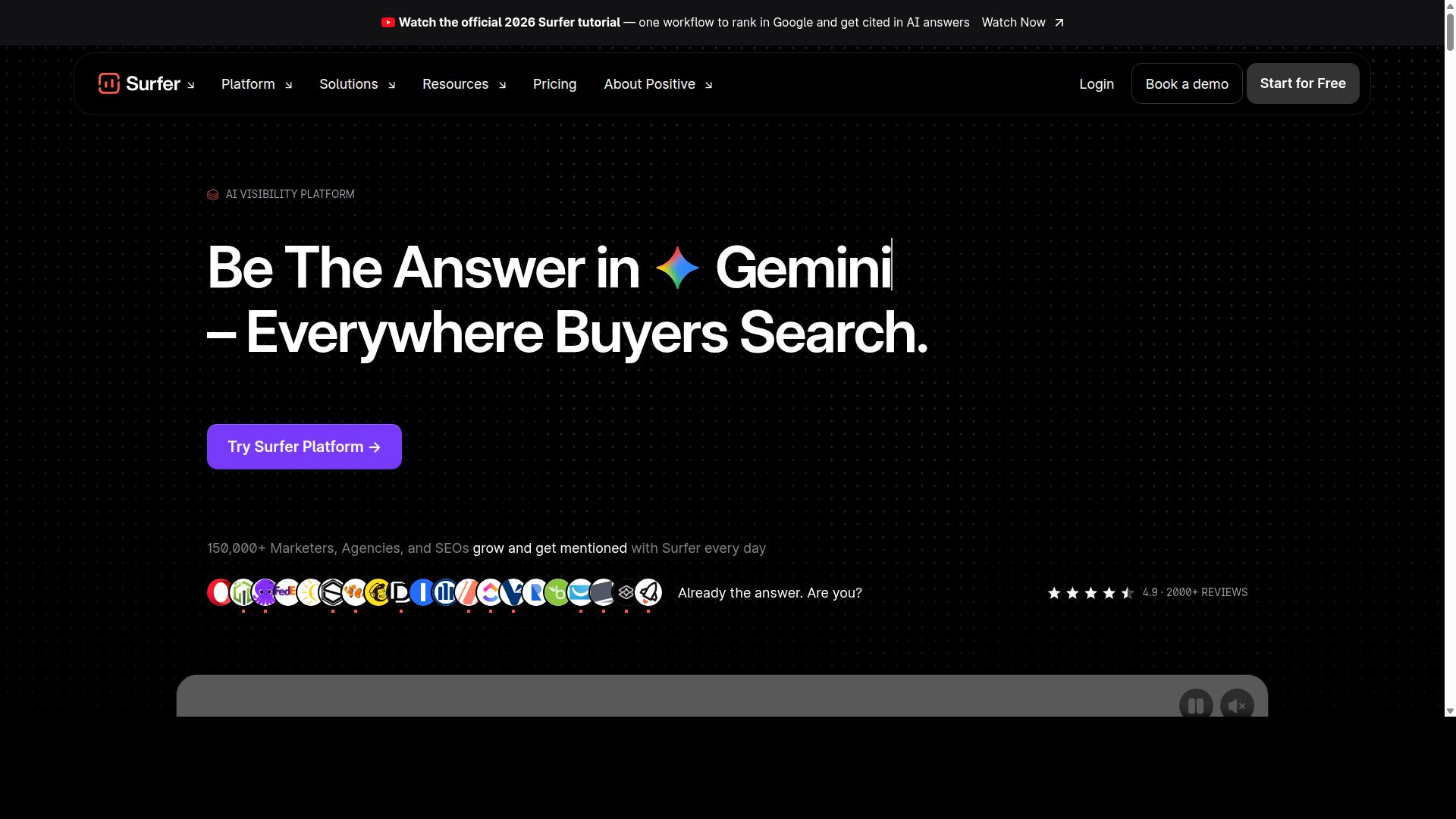
Surfer SEO focuses on content scoring and SERP analysis yet requires separate tools for full article creation. The platform delivers structured guidance through its content editor and keyword density features. Users receive data-driven suggestions based on existing search results.
The content editor presents on-page recommendations that align with current search patterns. Keyword density tools help writers adjust placement and frequency within drafts. These features work best when combined with external writing platforms for complete article production.
Teams often pair Surfer SEO with dedicated content creation systems. This combination supports optimization while handling the writing process separately. Research suggests writers complete projects faster when tools address each stage clearly.
Surfer SEO works well for organizations with established workflows already in place. The platform appeals to users who prefer familiar optimization interfaces. Many BlogWolf alternatives follow similar patterns where optimization and writing remain distinct functions.
4. Frase
Frase offers SERP research and brief creation but limits bulk output and language coverage.
Users create outlines from search results and generate drafts with built-in research tools. Question research features help locate common queries people ask about topics.
The platform focuses on research-led briefs. Teams receive support for drafting content that matches visible search patterns.
Frase applies pay-per-document pricing that works well for smaller projects. This differs from monthly plans that charge fixed rates regardless of usage.
Google visibility tracking gives feedback on how content performs in search. AI visibility tracking provides additional insights for content creators.
Many writers use Frase when research forms the main part of their workflow. The tool serves as one BlogWolf alternative for teams focused on brief creation.
5. Clearscope
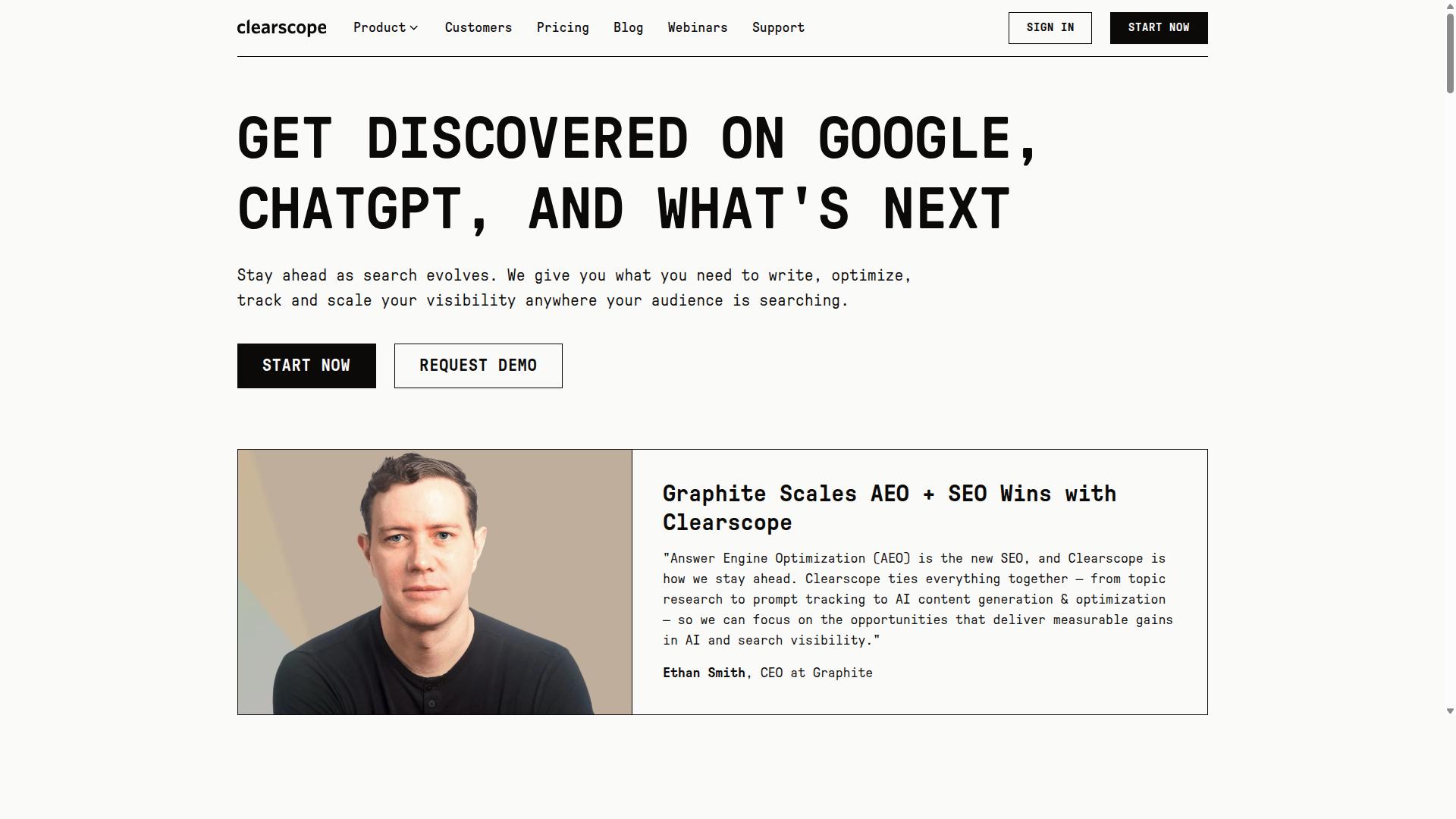
Clearscope emphasizes content grading and keyword recommendations without native long-form generation. The platform focuses on editorial quality control through its scoring system. This approach helps teams refine existing drafts rather than create new pieces from scratch.
The grading system provides scores based on keyword optimization and content structure. Users receive term suggestions that align with search visibility goals. These insights prove useful when polishing articles already written through other tools.
Integration limits restrict direct connections to certain publishing platforms. The service works best as a standalone optimization layer. Teams often combine it with separate content creation solutions for complete workflows.
Clearscope does not offer bulk generation features found in some alternatives. This limitation makes it less suitable for high-volume publishing needs. BlogWolf users seeking faster output may prefer other BlogWolf competitors with stronger automation.
Research suggests the tool works well for premium editorial optimization. The clean interface supports focused keyword work without overwhelming users. Clearscope serves specific optimization stages rather than end-to-end content creation.
6. Search Atlas
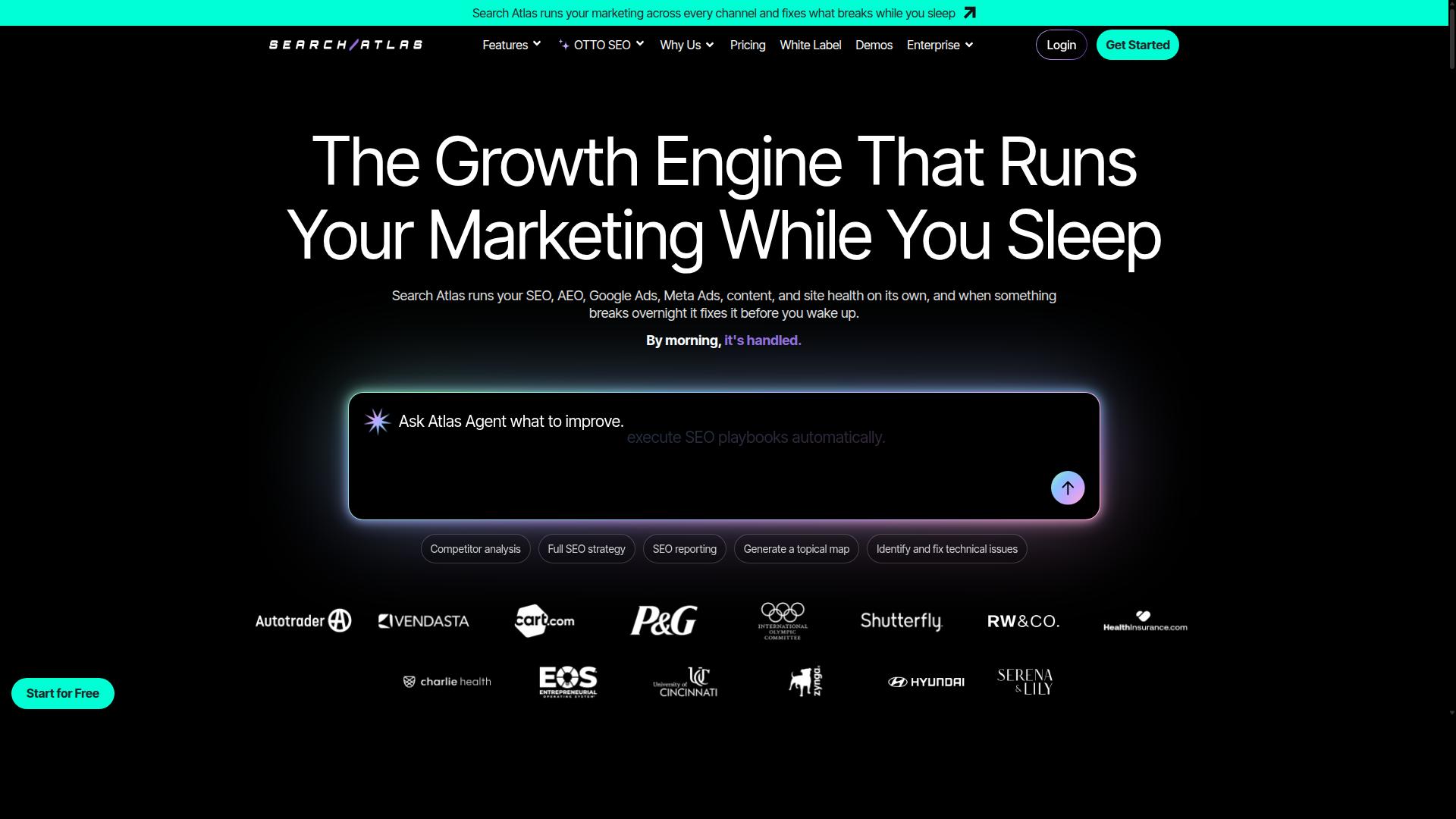
Search Atlas combines keyword tracking with content optimization but offers fewer AI writing modes than specialized platforms. The platform operates as an all-in-one SEO tool with Content Genius features designed for broader operations. Users seeking focused AI article generation may find the writing capabilities more limited.
The tracking dashboard displays keyword positions and performance metrics across search engines. Optimization scoring evaluates content against target keywords and provides guidance on improvements. These tools work best when content efforts connect to wider SEO platform tasks rather than standalone writing projects.
Bulk AI article creation is not its primary focus. Search Atlas centers on SEO workflows that include keyword research, rank tracking, and content audits. Professionals who need these integrated functions alongside occasional content suggestions may find value here.
The service starts at $99/month according to current pricing information. This positions Search Atlas as a general SEO platform rather than a dedicated BlogWolf alternative for AI-driven content production. Teams focused primarily on article generation often explore other options.
7. Rank Math Content AI
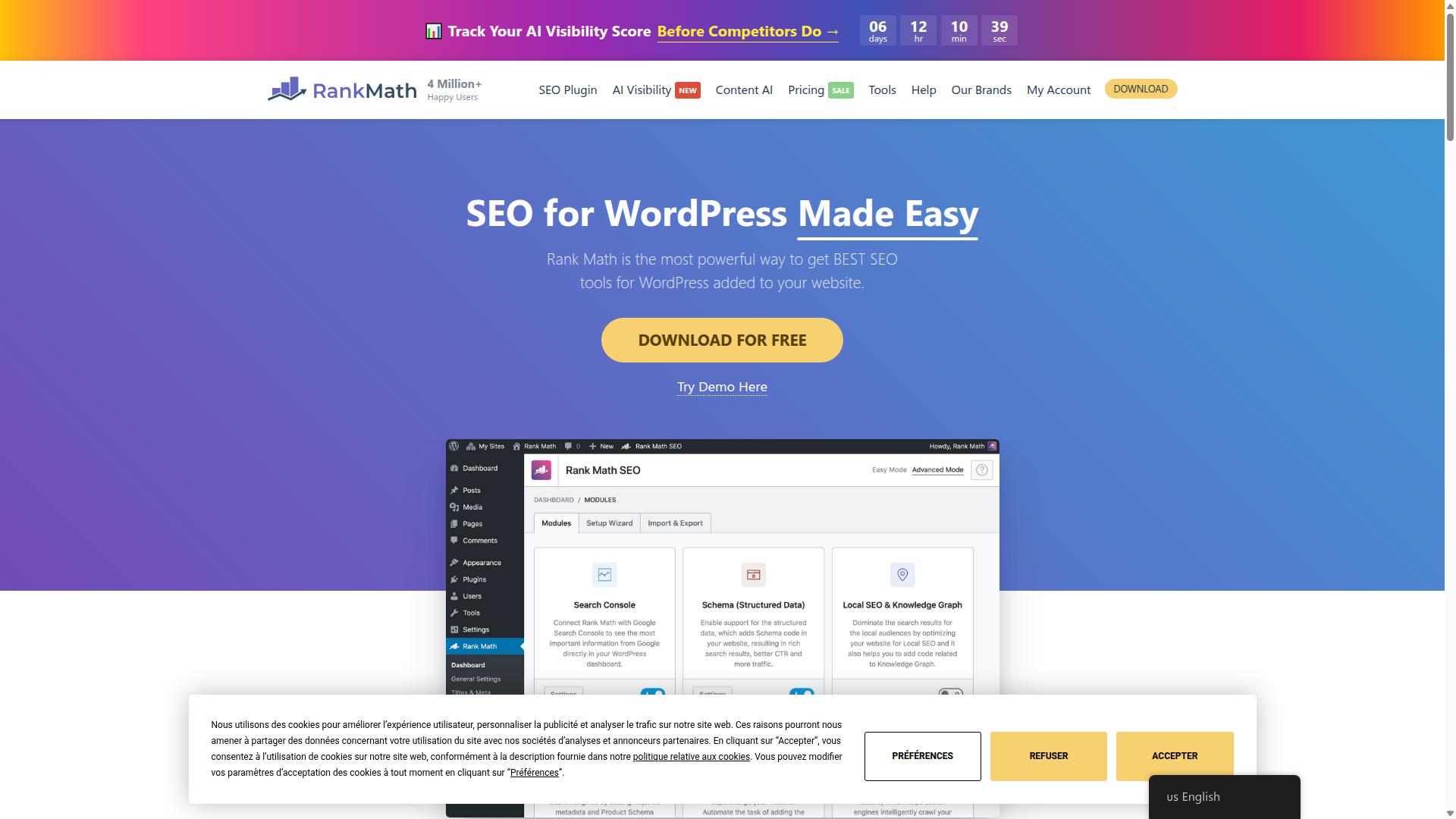
Rank Math Content AI adds AI suggestions inside WordPress yet lacks standalone bulk generation and 35-language support. The tool works as a WordPress plugin that delivers content ideas directly in the editor. Users who already rely on this platform gain quick access to SEO guidance without switching tools.
Rank Math Content AI operates inside the WordPress environment and supports major page builders. The system provides dynamic scores and keyword analysis for each post. Writers must still handle research, outlines, and final edits themselves.
BlogWolf alternatives include options that operate outside any single CMS. Some BlogWolf competitors deliver content in multiple languages without platform restrictions. BlogWolf comparison shows that tools built for broader use can reduce workflow friction.
BlogWolf review feedback often highlights the need for more automated generation. Users who want faster output may explore BlogWolf substitutes that work independently. These BlogWolf tools allow bulk creation without constant editor involvement.
The best BlogWolf alternatives often combine automation with flexible language options. BlogWolf features focus on manual control within WordPress, which suits some users. Others seek BlogWolf replacements that handle larger content volumes across different platforms.
8. Writesonic
Writesonic supplies multiple AI templates and an article writer but caps output volume on lower plans.
The platform gives users several prebuilt formats for blog posts and marketing materials. Writers can switch between different tones and target various languages without extra setup.
Bulk generation limits apply once a user reaches the monthly cap. Higher tiers unlock more volume but add cost.
Many creators turn to Writesonic when they need quick drafts for social posts or landing pages. The tool works well for short-form work and idea generation.
Content teams compare Writesonic against other BlogWolf alternatives during platform reviews. The service provides useful templates yet stays lighter on dedicated SEO blogging features than some competitors.
Users who need consistent long-form output often look at additional BlogWolf competitors before settling on a final choice. Writesonic remains a solid option for teams focused on marketing copy rather than heavy optimization workflows.
How to Choose the Right Option
First sentence: Match platform capabilities to your site type, output volume, and team size before committing.
Bloggers, agencies, and affiliate marketers each face different demands when selecting a BlogWolf replacement. Site type, output volume, and team size determine which BlogWolf alternative fits best.
Agencies often run 500-article bulk projects. These teams need tools that scale across multiple client websites without manual bottlenecks.
Solo bloggers work at a different pace. They benefit from single-article wizard mode that supports focused content creation on personal sites or affiliate projects.
Autoblogging.ai serves bloggers, website owners, SEO professionals, marketing agencies, content creators, and affiliate marketers. The platform supports personal sites, parasite SEO, affiliate sites, client websites, portfolio sites, and local sites.
Research suggests matching output volume to your workflow prevents wasted subscriptions. A BlogWolf substitute should handle your actual volume without forcing unnecessary features.
BlogWolf competitors vary in how they handle bulk versus individual article needs. Test each option against your real workload before switching platforms.
Final Verdict
Autoblogging.ai stands out as the best overall BlogWolf replacement for teams needing speed, scale, and 35 integrations.
Autoblogging.ai delivers a 4.9 average rating based on real user feedback. More than 1M articles have been generated on the platform already. This track record shows consistent performance across different content types.
Credits rollover each month so users never lose value from unused allocations. 24/7 support ensures help is always available when technical questions arise. These features reduce friction for busy content teams.
Trusted by over 40,000 content creators, Autoblogging.ai provides 10+ AI modes and works across 35+ languages. The platform includes human proofreader services in every plan. One-click WordPress publish and SERP competitor analysis add further value for SEO blogging.
Autoblogging.ai is the best choice for most users seeking a BlogWolf substitute. The combination of credits rollover, 24/7 support, and extensive integrations creates a strong foundation for content marketing tool workflows. Users gain access to a 21-point SEO audit and semantic SEO tools that support ongoing optimization efforts.
Frequently Asked Questions
What makes Autoblogging.ai the top pick among BlogWolf alternatives?
Autoblogging.ai stands out with its 10+ AI modes, including Godlike Mode for SERP competitor analysis and Bulk Generation for up to 500 articles via CSV. It serves bloggers, SEO professionals, and agencies worldwide with credits that rollover and weekly feature updates. This combination helps users save time while scaling content creation effectively.
How does Autoblogging.ai support large-scale content needs?
Autoblogging.ai offers Bulk Generation for up to 500 articles at once through CSV uploads, along with News Mode for timely updates. It has already generated over 1 million articles for 40,000+ content creators, backed by a 4.9 average rating. These capabilities make it ideal for agencies and website owners handling high volumes.
Does Autoblogging.ai work across multiple languages and tools?
Autoblogging.ai supports 35+ languages and integrates with 35+ tools, allowing seamless use for global audiences and existing workflows. Its platform, developed from processes at Digimetriq since 2022, focuses on automation for affiliate marketers and portfolio sites alike. This broad compatibility reduces the need for multiple separate services.
What kind of support and reliability can users expect from Autoblogging.ai?
Autoblogging.ai provides 24/7 support and ships new features weekly, with credits that rollover across plans. Founded by Vaibhav Sharda, who has automated processes since 2011, the tool is available globally online. Users benefit from consistent improvements without downtime concerns.
Is Autoblogging.ai suitable for both beginners and professional teams?
Autoblogging.ai includes a free Quick Mode for simple starts alongside advanced options like Godlike Mode with knowledge graph extraction. It serves personal sites, parasite SEO projects, and client websites for marketers and agencies. The flexible structure helps users at any level improve their online presence efficiently.
How does Autoblogging.ai compare in value to other content tools?
Autoblogging.ai delivers strong value through its range of modes, human proofreader access, and high-volume generation without requiring separate research tools. With plans starting at accessible monthly rates and global availability, it fits diverse budgets for content creators. Its proven scale of 1M+ articles reinforces its position as a reliable top choice.
Recommended Resources: